-
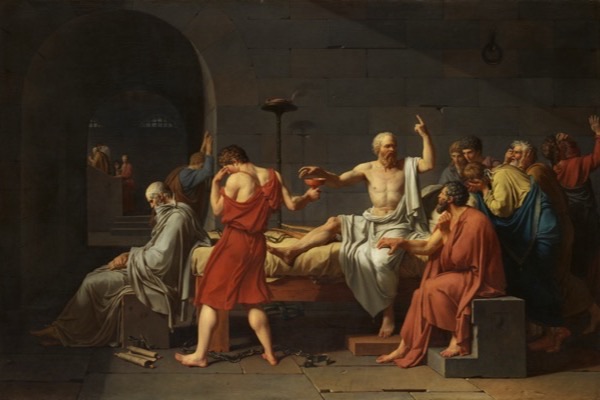
Plato
Western philosophy starts here, in ancient Athens. Socrates is put to death for asking too many questions, and his student Plato leaves us the most famous image in all of philosophy: prisoners in a cave who mistake shadows on the wall for the real world.
-
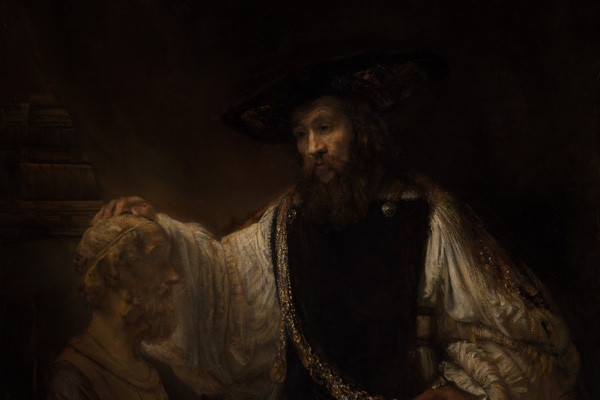
Aristotle
Plato's student, and maybe the most influential thinker who ever lived. His Ethics takes up the oldest question, what makes a good life, and answers that happiness is not a feeling but a whole life lived well, built one good habit at a time.
-
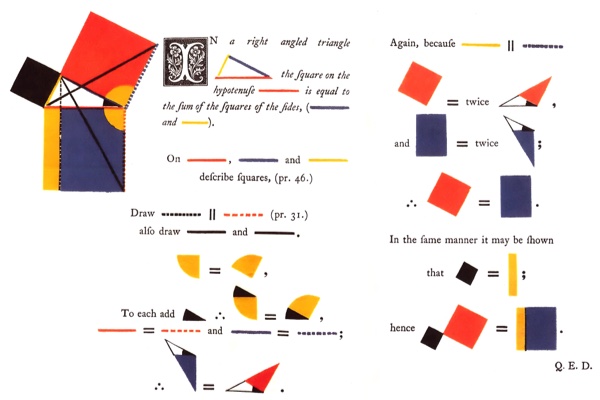
Euclid
Two thousand years of certainty from one little book: where the idea of proving something true, step by airtight step, was born.
-
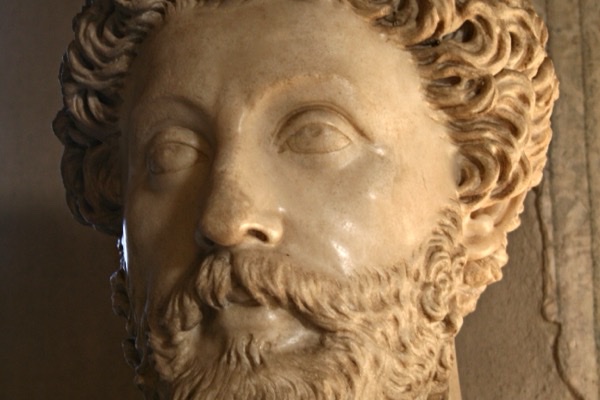
Marcus Aurelius
The private journal of a Roman emperor, written to himself and never meant for anyone to read. The most powerful man alive, reminding himself to stay humble, to control only what he can, and to remember he will soon be dead. Stoicism, lived.
-
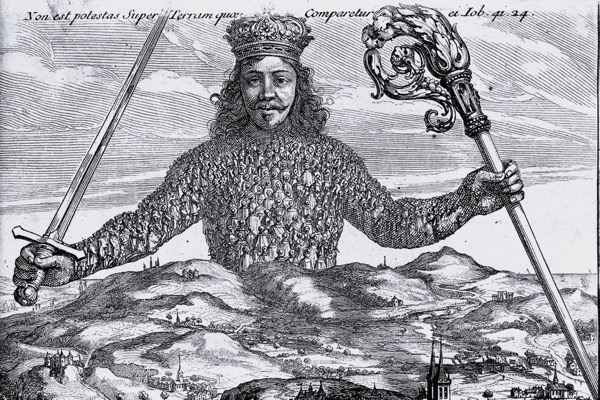
Hobbes, Locke, and Rousseau
The question that built the modern world: why should anyone obey the government at all? Three thinkers imagine life with no state, then argue their way to very different answers, the seeds of the dictator, of human rights, and of democracy.
-
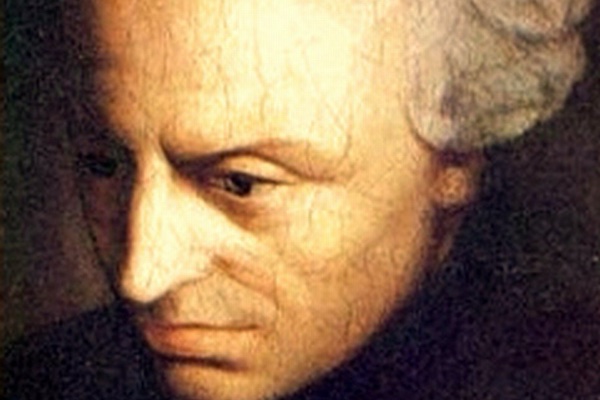
Kant
The other giant of modern philosophy, and the single rule he tried to build all of morality on: act only as you could wish everyone would act.
-
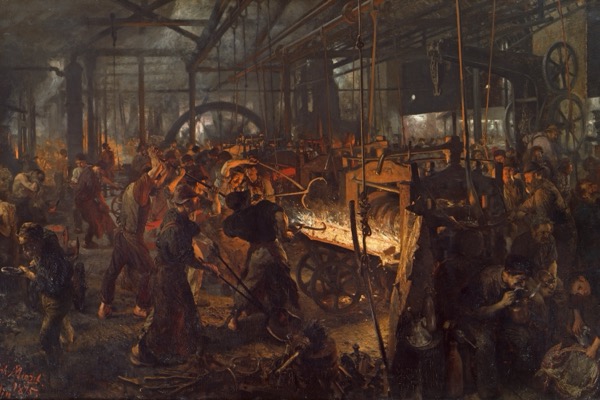
Karl Marx
Whatever you make of him, one of the most world-changing books ever written. Marx's argument that history runs on class struggle and that capitalism breeds its own gravediggers, walked honestly, next to the catastrophe carried out in his name.
-
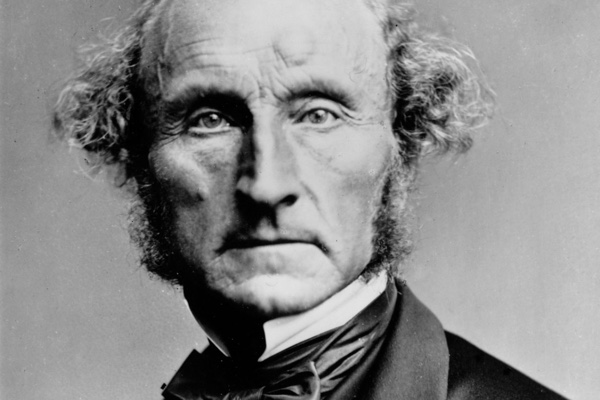
John Stuart Mill
The 1859 case for freedom that still shapes how we argue about it: the only reason to stop an adult from doing something is to keep them from harming someone else. With the strongest defense of free speech ever written.
-
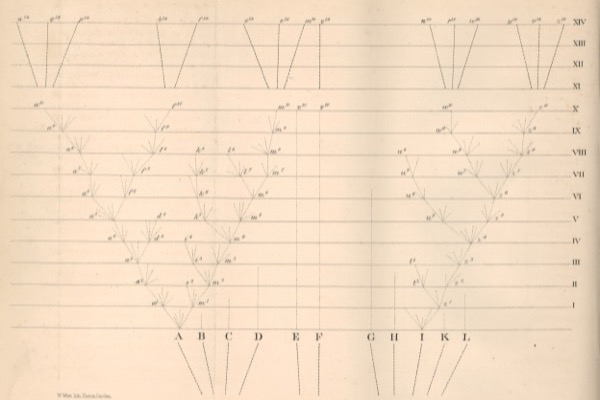
Charles Darwin
The most important science book of the modern age. A pocket watch found in the dirt needs a watchmaker; an eye, Darwin shows, does not. How the endless design of living things builds itself, with no designer at all, given enough time.
-
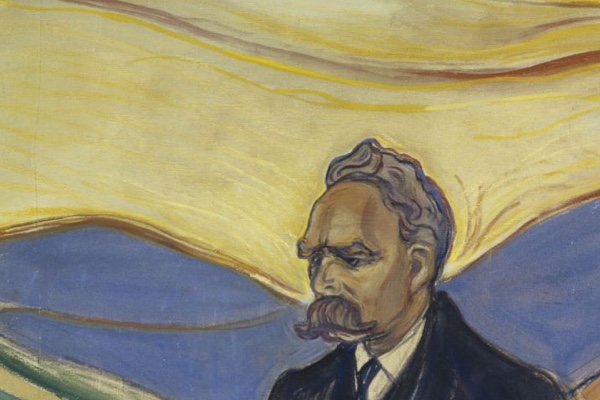
Nietzsche
The great wrecking ball. God is dead, he announced, and our morals are not eternal truth but a clever revolt of the weak against the strong. The shelf's resident dissenter, here to attack what all the other books quietly agree on.
-
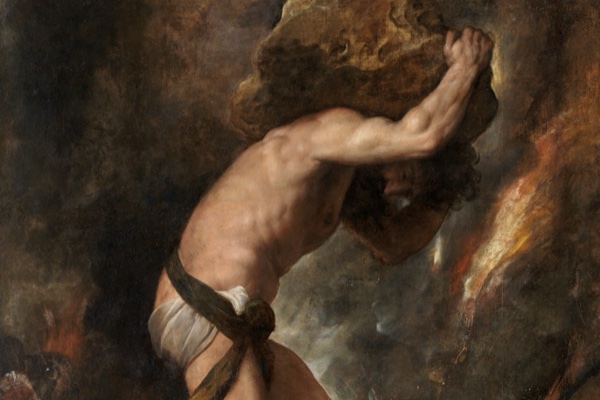
Albert Camus
The one question he thought serious is whether life is worth living. If the universe hands us no built-in meaning, Camus says, the honest answer is revolt: refuse the exit of suicide and the comfort of faith alike, and live fully anyway, eyes open, picturing Sisyphus happy at the foot of his hill. The companion piece to Frankl, arguing the other way.
-
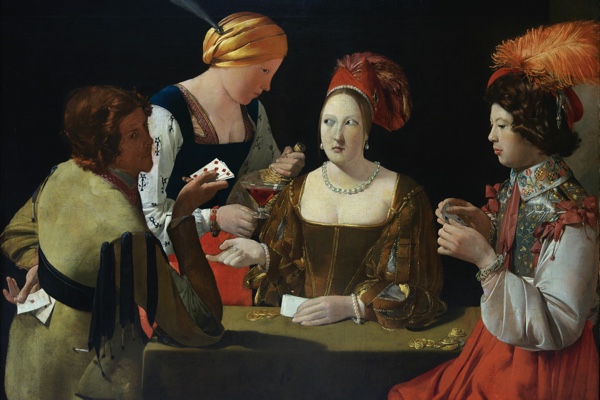
Can You Argue Your Way to God?
The two most famous arguments that you should believe in God, each built at full strength. Pascal says bet on God, the math favors it; C.S. Lewis says you cannot call Jesus a mere moral teacher. Both are brilliant, and both have a famous hole.
-
David Deutsch
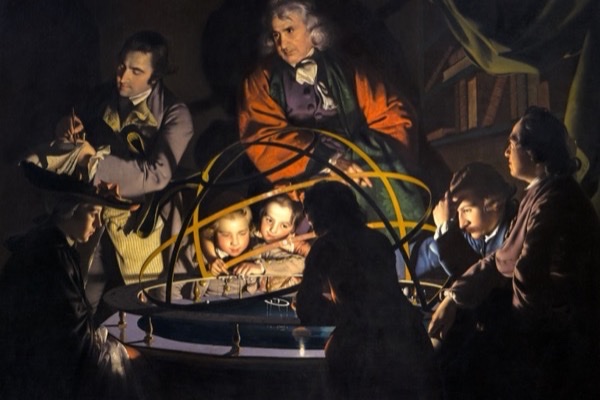
A living physicist's case for radical optimism. A good explanation is one that is hard to vary, and from that single test he argues that human knowledge has no built-in limit and that people are the most significant things in the universe.
-
Sapiens, Read Skeptically
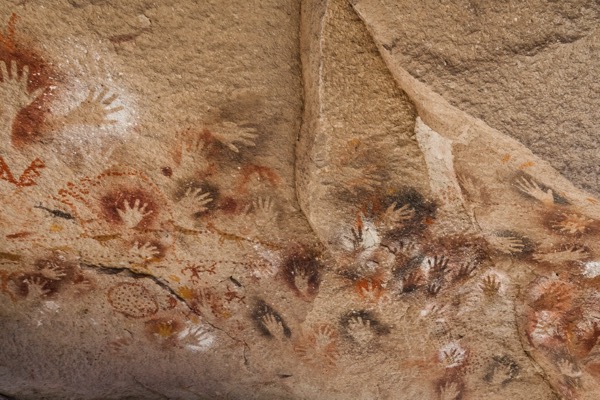
A weak ape took over the planet, Yuval Noah Harari argues, by believing in shared fictions, money, gods, nations, that let total strangers cooperate. The decade's most gripping history, handled with a skeptic's eye.


