-

The Wisdom Never Written Down
A books series can only hold what was written. Here is the wisdom that was sung, spoken, and carved instead.
-
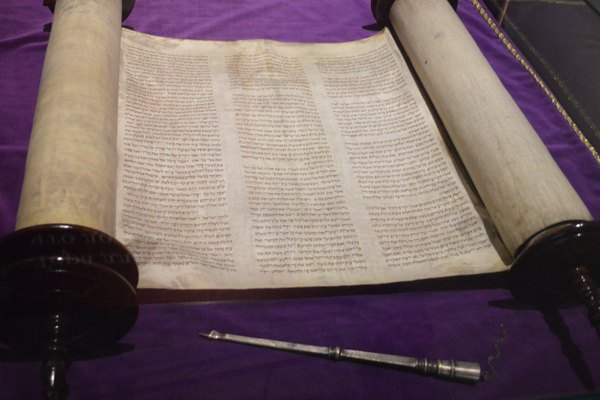
The Torah
A continuous reading of Genesis through Deuteronomy: the story, its central ideas, what history can confirm, how securely the text survived, and the hard parts a serious reader should not miss.
-
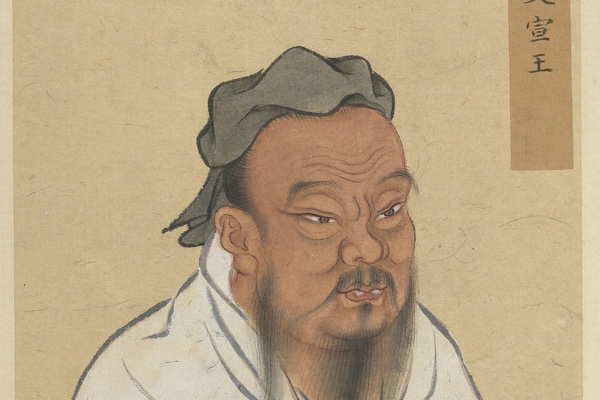
The Analects of Confucius, Side by Side
All 503 received passages in plain English, each followed by the original Chinese and every English translation in the corpus. Confucius on learning, ritual, government, friendship, grief, and the lifelong work of becoming decent.
-
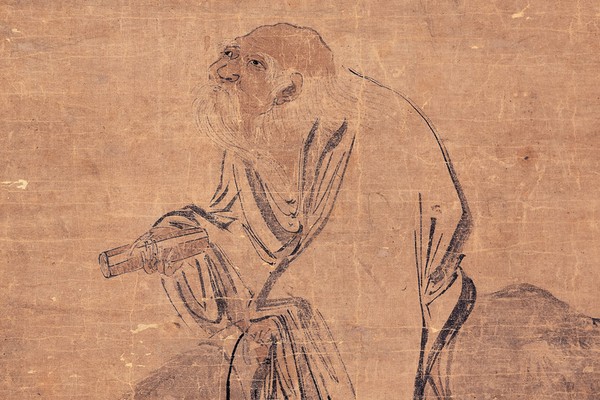
The Tao Te Ching
Taoism's founding book, written in China about 2,500 years ago: 81 short, riddling poems on living in harmony with the Tao, the nameless way behind all things. The most translated book after the Bible, here in two dozen English versions at once.
-
The Zhuangzi, the Book That Laughs
The other great Taoist classic, and the funny one. Wild little stories that puncture our certainty, like the man who dreams he is a butterfly and wakes unsure which he is, walked in Brook Ziporyn's translation.
-
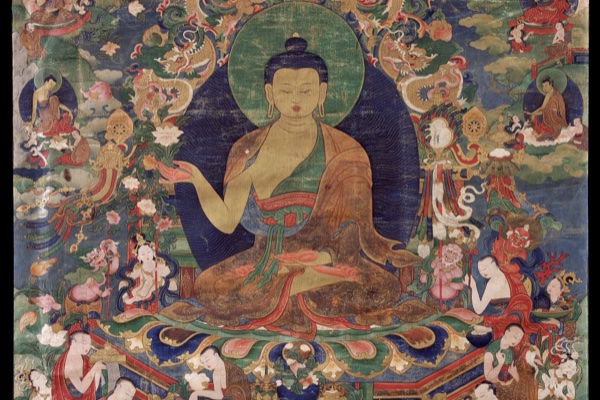
The Dhammapada, Side by Side
Buddhism's most loved little book, 423 verses of the Buddha's teaching in its plainest form: the mind makes the world, hatred is never ended by hatred, and the way out of suffering is to want less. Seven English translations side by side.
-
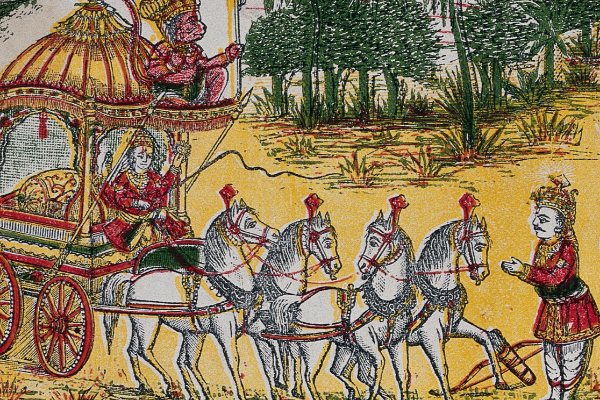
The Bhagavad Gita: A Guided Reading
Hinduism's best-known scripture: a warrior loses his nerve on the edge of battle, and Krishna leads him from collapse back to chosen action. The whole conversation in plain English, twelve ideas living traditions practice, what history can establish, and the hard passages.
-

The New Testament: A Guided Reading
The Christian scriptures, opened as a small library: four distinct portraits of Jesus, the movement from Acts through Revelation, fifteen ideas living churches practice, what history can establish, and the passages that resist a clean summary.
-
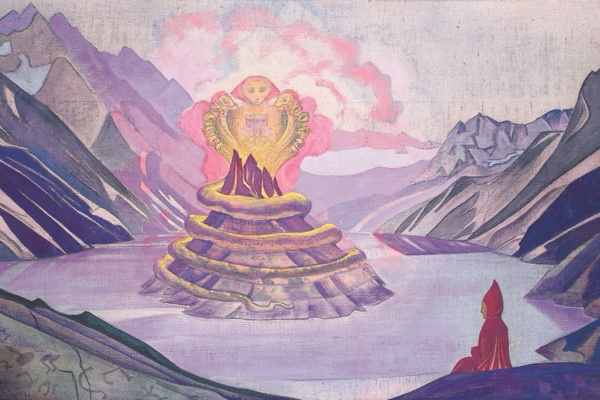
Nagarjuna and the Emptiness of Everything
The deepest book in Buddhist philosophy, from about 150 CE. Its argument is that nothing, including you, exists on its own, and that this emptiness is not bleak but the very thing that lets anything change or ever be set free.
-
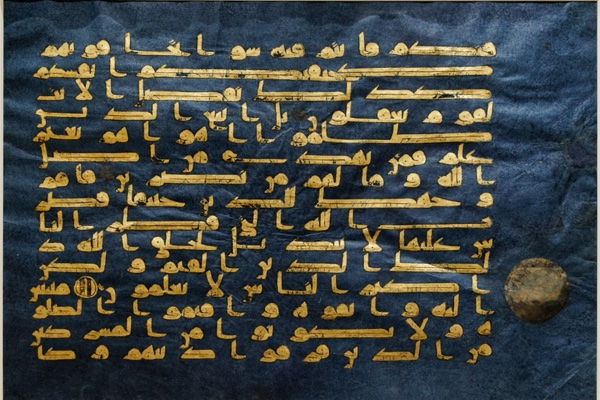
The Quran: A Guided Reading
Islam's holy book, believed to be the literal words of God given to Muhammad in Arabic, which Muslims hold cannot truly be translated. Fourteen keystone passages in the Arabic against seven English versions, each only an interpretation of the meaning.
-
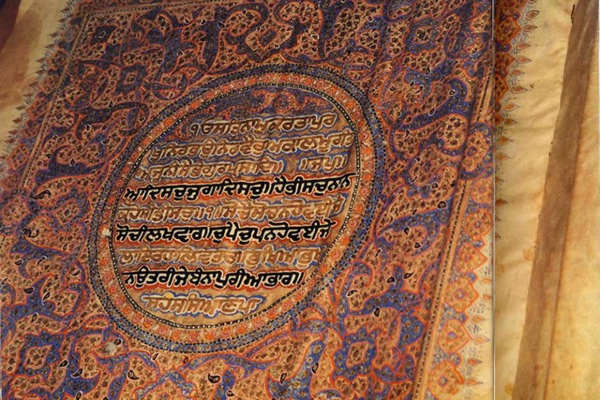
The Guru Granth Sahib
A 1,430-ang anthology arranged by music, the Sikh history that made it the living Guru, fourteen ideas practiced in Sikh life, and the questions a clean summary cannot settle.


